
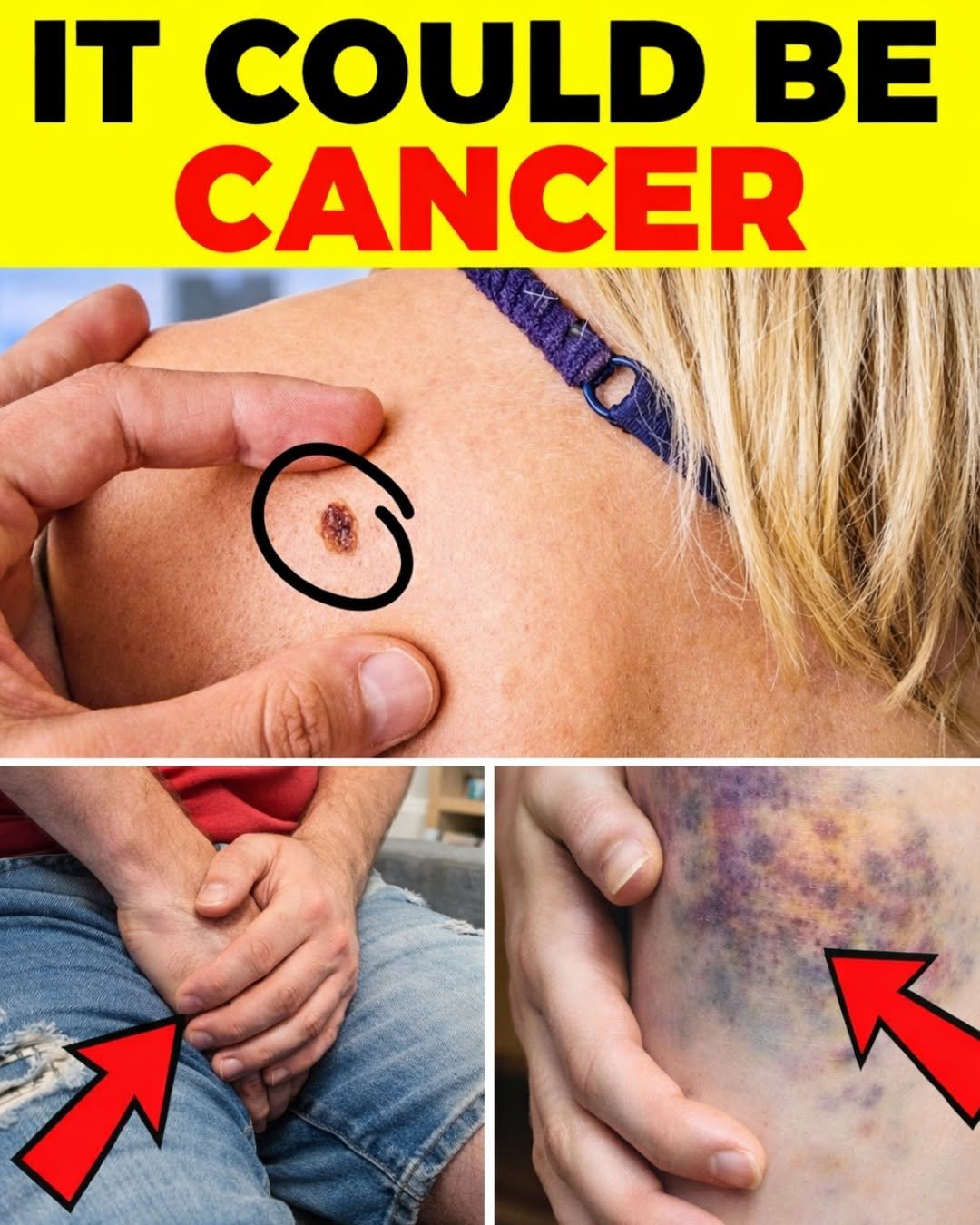
Finding an unusual spot on your skin or noticing a bruise that seems to appear out of nowhere can be unsettling. These kinds of changes often spark worry and leave you wondering if they are just minor issues or something more that deserves attention. The good news is that learning about common body signals can empower you to take simple steps toward better health awareness.
But here’s the thing: there’s one straightforward habit you can start today that many people overlook, and it could help you stay ahead – stick around until the end to discover what it is.
Why Paying Attention to Skin and Body Changes Matters
Our skin and body send signals every day, and most are completely harmless. Yet some persistent changes can prompt a conversation with your doctor. According to the American Cancer Society, being aware of these shifts allows for earlier discussions about your health. Research from the Mayo Clinic also highlights how noticing patterns early supports proactive care without unnecessary alarm.
The truth is, everyday factors like sun exposure, aging, or minor injuries explain many of them. Still, knowing what to watch for brings peace of mind and helps you feel in control.
Spotlight on Skin Changes You Might Notice Right Away
Skin is your body’s largest organ, and it often shows visible clues first. That irregular mole circled in awareness photos or a large unexplained patch on the torso? These are classic examples many people see and wonder about.
Dermatologists point to tools like the ABCDE rule as a simple way to guide self-checks. Here’s what it includes:
- A for Asymmetry: One half of the spot does not match the other.
- B for Border: Edges look irregular, scalloped, or blurred.
- C for Color: Shades vary from tan and brown to black, red, white, or blue.
- D for Diameter: Often larger than a pencil eraser, though smaller spots matter too.
- E for Evolving: Any change in size, shape, color, or new symptoms like itching.
And that’s not all. Sores that refuse to heal after a couple of weeks or rough patches that keep returning also deserve a closer look.
Unexplained Bruising, Discoloration, and Other Visible Signals
A large bruise on the torso without any bump or the kind of hand discomfort that makes you pause and hold your wrist – these are changes that can feel concerning. Small pinpoint spots or larger purple patches sometimes appear without clear reason.
The fact is, easy bruising or skin discoloration can stem from various everyday causes. Health organizations note they sometimes relate to how blood components function. If patterns continue, tracking when and where they appear helps when you talk to your doctor.
Here’s a quick list of 14 common changes worth monitoring if they persist:
- Changes in existing moles or new pigmented spots.
- Sores or wounds that don’t heal within weeks.
- Unexplained bruising or skin discoloration that appears easily.
- Persistent fatigue that rest doesn’t improve.
- Unintended weight loss or gain of 10 pounds or more.
- New lumps, swelling, or thickening felt under the skin.
- Shifts in bowel or bladder habits lasting more than a few weeks.
- A nagging cough or hoarseness that won’t go away.
- Difficulty swallowing or ongoing indigestion after eating.
- Unusual bleeding or discharge from any area.
- Persistent unexplained muscle or joint pain.
- Recurrent fevers or heavy night sweats.
- Yellowing of the skin or eyes.
- Shortness of breath or trouble breathing without obvious cause.
These come from widely recognized guidelines by the Mayo Clinic and American Cancer Society, where studies show awareness leads to timely check-ins.
Actionable Tips You Can Start Using Today
You don’t need special equipment to stay on top of your skin and body health. A monthly self-exam takes just a few minutes and builds familiarity with what’s normal for you.
Follow these easy steps:
- Stand in good lighting in front of a full-length mirror.
- Check your face, neck, ears, and scalp (use a blow-dryer or hand mirror).
- Examine arms, hands, nails, and between fingers and toes.
- Use a handheld mirror for your back, buttocks, and backs of legs.
- Gently feel for lumps or swelling in the neck, underarms, and groin.
But here’s the surprising part most people miss: taking quick photos with your phone each month creates a visual record. It makes tiny evolutions easier to spot over time.
Everyday Habits That Support Your Health Awareness
Lifestyle choices play a supporting role in how your skin and body feel. Staying hydrated, eating a balanced diet rich in fruits and vegetables, and protecting skin from too much sun with clothing and sunscreen are practical moves. Regular movement and good sleep also help your body function at its best.
The truth is, these small routines don’t replace professional advice but can make you more tuned in to real changes when they happen.
When It Makes Sense to Reach Out to Your Doctor
If any of the changes above last more than a couple of weeks or start interfering with daily life, consider scheduling a visit. Bring notes about when you first noticed them, any patterns, and other symptoms you’ve experienced. Your healthcare provider can offer guidance tailored to your situation.
Wrapping It Up
Staying informed about these 14 common skin and body changes puts you in a stronger position to care for your health. Most turn out to be nothing serious, yet knowing what to watch for reduces worry and encourages smart next steps. Start that monthly self-exam habit today – it could become your simplest tool for long-term confidence.
FAQ
How often should I check my skin and body for changes?
Once a month is a good routine for most adults. Choose the same day each month so it becomes a habit, and adjust more frequently if you have higher risk factors like fair skin or sun exposure history.
Can everyday things cause the same symptoms as more serious conditions?
Yes, things like stress, diet changes, or minor injuries often explain fatigue, bruising, or skin spots. That’s why professional evaluation is the best way to understand your specific situation.
What if I notice one of these changes but feel fine otherwise?
It’s still worth mentioning at your next check-up or sooner if it persists. Early conversations give your doctor the full picture and help rule out concerns quickly.
Disclaimer: This article is for informational purposes only and is not a substitute for professional medical advice, diagnosis, or treatment. Always consult a qualified healthcare provider regarding any health concerns or symptoms you experience.
Leave a Reply