
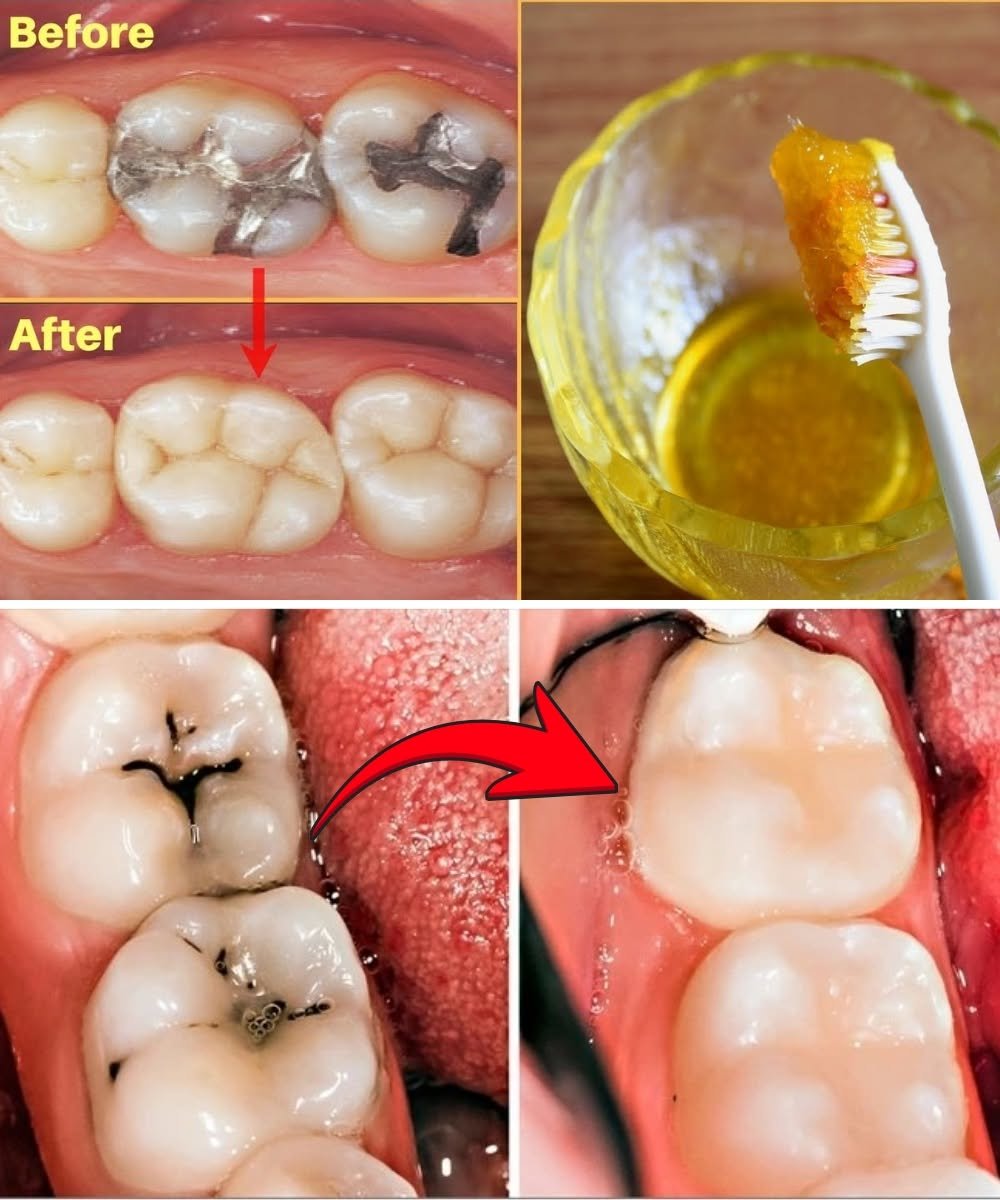
How to Get Rid of Tooth Cavity Naturally: Home Remedies to Help Reduce Tooth Pain
Tooth cavities are a common dental problem. They often begin with sensitivity or small dark spots and can progress into painful tooth decay that affects eating, sleeping, and daily activities.
Important: A cavity cannot be permanently removed with home remedies. Professional dental treatment is the only way to repair a true cavity. However, some natural approaches may help reduce discomfort and support oral hygiene until you can see a dentist.
What Causes Cavities?
Cavities develop when bacteria in the mouth feed on sugars and produce acids that gradually damage tooth enamel.
Common Causes
- Frequent consumption of sugary foods and drinks
- Poor brushing and flossing habits
- Plaque buildup
- Dry mouth
- Weak or damaged enamel
Natural Turmeric and Coconut Oil Paste for Tooth Pain Relief
Ingredients
- 1 teaspoon turmeric powder
- 1 tablespoon coconut oil
- 2–3 drops clove oil (optional)
Why These Ingredients Are Used
Turmeric
- Contains compounds with anti-inflammatory properties
- May help soothe irritated tissues
Coconut Oil
- Helps lubricate the mouth
- Often used in traditional oral-care practices
Clove Oil
- Contains eugenol, a compound commonly used in dentistry for temporary pain relief
How to Prepare
Step 1
Place 1 teaspoon of turmeric powder in a small bowl.
Step 2
Add 1 tablespoon of coconut oil.
Step 3
Add 2–3 drops of clove oil if available.
Step 4
Mix until a smooth paste forms.
How to Use
Step 1
Using a clean cotton swab or finger, apply a small amount of the paste to the affected area.
Step 2
Leave it in place for about 10 minutes.
Step 3
Rinse your mouth thoroughly with warm water.
Step 4
Repeat up to twice daily if it does not cause irritation.
Other Natural Methods That May Help
1. Saltwater Rinse
A saltwater rinse can help keep the mouth clean and may reduce irritation.
How to Make It
- Mix ½ teaspoon salt into a glass of warm water.
- Swish for 30 seconds.
- Spit out.
- Repeat 2–3 times daily.
2. Oil Pulling
Oil pulling is a traditional practice that involves swishing oil in the mouth.
Steps
- Place 1 tablespoon of coconut oil in your mouth.
- Swish gently for 10–15 minutes.
- Spit it out.
- Rinse with water and brush normally.
3. Clove Oil for Temporary Relief
Steps
- Dilute a drop of clove oil with a few drops of carrier oil.
- Apply carefully to the painful area with a cotton swab.
- Avoid swallowing large amounts.
4. Eat Foods That Support Dental Health
Foods rich in calcium and minerals help support healthy teeth.
Examples include:
- Cheese
- Yogurt
- Leafy greens
- Almonds
- Eggs
- Green tea
Can a Cavity Heal Naturally?
Early Enamel Damage
Very early enamel changes may sometimes stabilize with:
- Good oral hygiene
- Fluoride exposure
- Reduced sugar intake
- Regular dental care
Established Cavities
Once a cavity has formed a hole in the tooth, it cannot close or regrow naturally. A dentist will typically need to repair it with a filling or other treatment.
When to See a Dentist
Seek dental care if you experience:
- Severe or persistent tooth pain
- Visible holes in a tooth
- Swelling of the gums or face
- Pain when chewing
- Sensitivity that continues to worsen
- Signs of infection such as fever or pus
Daily Habits to Prevent Future Cavities
Step 1
Brush twice daily with fluoride toothpaste.
Step 2
Floss every day.
Step 3
Limit sugary snacks and drinks.
Step 4
Drink plenty of water.
Step 5
Visit your dentist regularly for checkups and cleanings.
Final Thoughts
Natural remedies such as turmeric paste, coconut oil, clove oil, and saltwater rinses may provide temporary relief from tooth discomfort and help support oral hygiene. However, they do not remove or cure a cavity. If pain persists or the cavity is visible, schedule a dental appointment as soon as possible to prevent further damage.
Disclaimer: This article is for informational purposes only and is not medical or dental advice. Consult a qualified dentist for diagnosis and treatment of tooth decay or persistent tooth pain.
Leave a Reply