
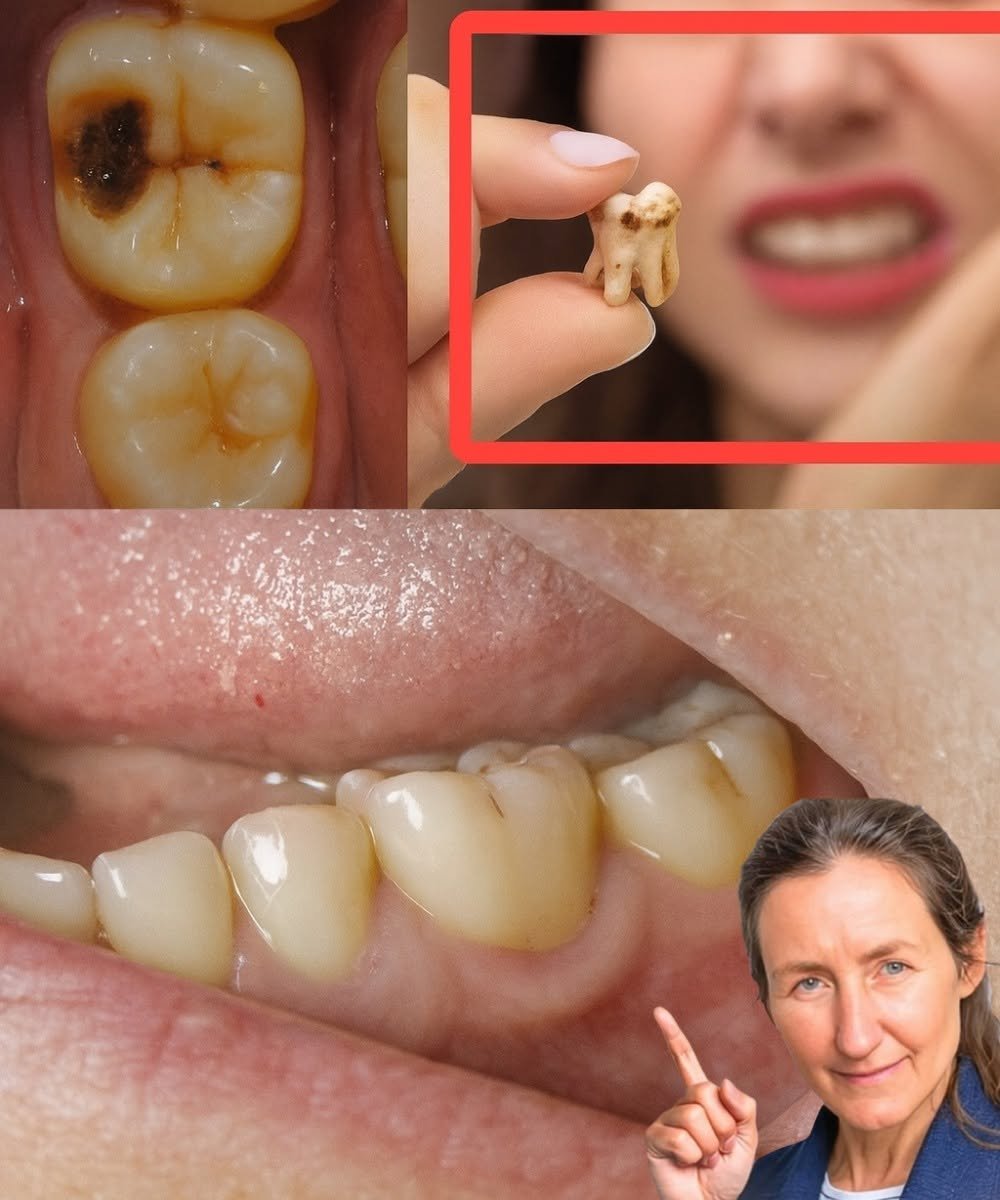
Holy Basil (Tulsi) for Oral Health: Traditional Uses and Simple Home Care Tips
Holy basil, commonly known as Tulsi, has been used in traditional wellness practices for centuries. Known for its aromatic leaves and natural plant compounds, Tulsi is often included in herbal remedies that support overall health, including oral hygiene.
While Tulsi is not a cure for cavities or gum disease, it contains compounds that may help support a healthy mouth when used alongside regular brushing, flossing, and professional dental care.
Why Tulsi Is Used for Oral Health
Tulsi contains several natural compounds, including:
- Eugenol
- Flavonoids
- Antioxidants
- Vitamin C
- Calcium
These compounds have been studied for their antimicrobial and anti-inflammatory properties, which may help support oral hygiene and gum health.
Potential Benefits of Tulsi
1. Supports Fresh Breath
Tulsi leaves contain aromatic oils that may help freshen breath naturally.
2. Helps Maintain Oral Hygiene
The plant contains natural compounds that may help reduce the growth of certain bacteria in the mouth when used as part of a good oral care routine.
3. Supports Gum Health
Tulsi’s antioxidant and anti-inflammatory properties may help support healthy gums.
4. Provides Antioxidant Support
Antioxidants help protect cells from oxidative stress and contribute to overall wellness.
Tulsi Oral Rinse Recipe
Ingredients
- 1 tablespoon fresh Tulsi leaves (or 1 teaspoon dried leaves)
- 1 cup water
- Optional: ¼ teaspoon salt
- Optional: 1 teaspoon honey
Instructions
Step 1: Prepare the Tulsi Infusion
- Bring the water to a boil.
- Add the Tulsi leaves.
- Simmer for 10 minutes.
- Remove from heat and allow to cool.
Step 2: Strain
- Strain the liquid into a clean container.
- Discard the leaves.
Step 3: Add Optional Ingredients
If desired, add a small amount of salt or honey and stir well.
Step 4: Use as a Mouth Rinse
- Swish a small amount around the mouth for 30 seconds.
- Spit out the liquid.
- Do not use as a substitute for brushing or flossing.
Additional Ways to Use Tulsi
Tulsi Tea
Tulsi tea is a popular herbal beverage that may support overall wellness and hydration.
Fresh Tulsi Leaves
Some people chew a few washed Tulsi leaves after meals for a refreshing taste.
Herbal Oral Care Products
Tulsi is commonly found in natural toothpastes and mouthwashes.
Important Oral Health Tips
For healthy teeth and gums:
- Brush twice daily with fluoride toothpaste.
- Floss once a day.
- Limit sugary foods and drinks.
- Drink plenty of water.
- Schedule regular dental checkups.
Safety Considerations
- Stop use if irritation occurs.
- People with known allergies to basil or related plants should avoid use.
- Pregnant or breastfeeding individuals should consult a healthcare professional before using large amounts of herbal products.
- Persistent tooth pain, bleeding gums, or visible cavities should be evaluated by a dentist.
Final Thoughts
Tulsi is a versatile herb with a long history of traditional use. As part of a balanced oral care routine, it may help support fresh breath, gum health, and overall oral hygiene. However, it should be viewed as a supportive wellness practice rather than a replacement for professional dental care.
A healthy smile is best maintained through good daily oral hygiene, a balanced diet, and regular dental visits.
Leave a Reply