
Graviola and Its Nutritious Smoothie: What Science Really Says About This Tropical Fruit
Graviola, also known as soursop, is a delightful tropical fruit loved for its creamy white flesh and naturally sweet-tangy flavor. Popular across Latin America, the Caribbean, and parts of Asia, it’s often enjoyed in smoothies, juices, desserts, and frozen treats.
Many describe its taste as a beautiful blend of pineapple, banana, and strawberry — refreshing, tropical, and surprisingly addictive. Beyond its delicious flavor, graviola has caught attention for its nutrient profile and traditional use in wellness practices.
Nutritional Value of Graviola
This tropical fruit is naturally packed with several beneficial nutrients:
- Vitamin C
- Potassium
- Magnesium
- Dietary Fiber
- Natural Antioxidants
Thanks to this nutrient combination, graviola has been used for generations in traditional diets and wellness routines.
Potential Health Benefits of Graviola
Here’s what makes this fruit interesting from a nutritional perspective:
1. Rich in Antioxidants Graviola contains natural antioxidant compounds that help protect cells from oxidative stress. Antioxidants are widely recognized for supporting healthy aging and overall cellular wellness.
2. Supports Immune Health Its solid vitamin C content can contribute to normal immune function, helping your body’s natural defenses stay strong.
3. Promotes Healthy Digestion The fiber in graviola supports digestive comfort, regularity, and a pleasant feeling of fullness after meals.
4. May Support Heart Health Potassium plays a key role in maintaining healthy blood pressure levels and supporting proper muscle function, including the heart.
5. Natural Energy Boost With its natural carbohydrates and nutrients, graviola offers gentle, sustained energy — a nicer option than many processed snacks.
Does Graviola Fight Cancer? What Science Actually Says
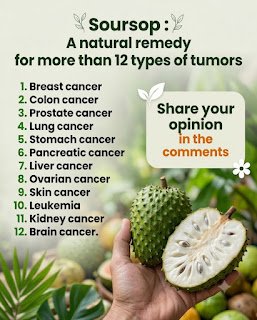
One of the most talked-about topics online is graviola’s potential connection to cancer. The fruit contains natural compounds called acetogenins. Some laboratory and animal studies have explored whether these compounds might affect certain cancer cells.
Research has looked at possible effects on breast, colon, prostate, lung, pancreatic, and stomach cancer cells in controlled settings.
However, it’s important to be clear and responsible:
- There is no strong clinical evidence that graviola cures or prevents cancer in humans.
- Most studies remain in the lab or animal stage — large human clinical trials are lacking.
- Graviola should never replace medical treatments like chemotherapy or professional medical care.
- It can be part of a balanced, healthy diet, but it is not a medicine or cancer remedy.
Always approach dramatic health claims with caution and consult healthcare professionals for serious conditions.
Creamy Graviola Smoothie Recipe
This refreshing smoothie is creamy, nutritious, and perfect for breakfast or a healthy snack.
Ingredients (1 serving):
- 1 cup fresh graviola pulp (seeds removed)
- ½ cup plain Greek or regular yogurt
- ½ cup milk (or almond/oat milk)
- 2 tablespoons ground oats
- ½ ripe banana
- 1 teaspoon honey (optional)
- Ice cubes to taste
Instructions:
- Carefully wash the graviola and remove all seeds.
- Add all ingredients to a blender.
- Blend until smooth and creamy.
- If it’s too thick, add a splash of milk or cold water.
- Serve immediately and enjoy chilled.
Simple Ways to Enjoy This Smoothie
A small portion a few times per week can be a lovely addition to a balanced diet. It works great as:
- A mid-morning snack
- An afternoon refresher
- A light evening option
- A tropical breakfast idea
People with sensitive stomachs may want to start with smaller amounts.
Important Safety Considerations
- Never consume the seeds — they contain compounds best avoided.
- If you have neurological conditions, low blood pressure, or take medications, consult a healthcare professional before consuming large amounts or concentrated extracts.
- Graviola is a food, not a substitute for medical treatment.
Conclusion
Graviola is a tasty tropical fruit rich in nutrients, antioxidants, and fiber. While researchers continue studying its natural compounds, current scientific evidence does not support claims that it cures cancer in humans.
The best way to enjoy graviola is as part of a healthy lifestyle — with balanced meals, regular movement, good sleep, and proper medical care. This creamy graviola smoothie offers a simple and delicious way to add a touch of the tropics to your daily routine.
Frequently Asked Questions
Can I eat graviola every day? For most healthy people, moderate consumption is generally fine. Avoid excess, especially in supplement or concentrated extract form.
Does graviola cure cancer? No. Current scientific evidence does not show that graviola cures cancer in humans.
Can I use frozen graviola pulp? Yes. Frozen pulp works excellently in smoothies and retains most of its nutritional value.
Is graviola good for digestion? Yes. Its fiber content can help support digestive health and regularity.
Disclaimer: This article is for informational and educational purposes only. It is not intended to diagnose, treat, cure, or prevent any disease. Always consult your doctor or a registered dietitian before making significant changes to your diet, especially if you have health conditions or take medications.
Leave a Reply