
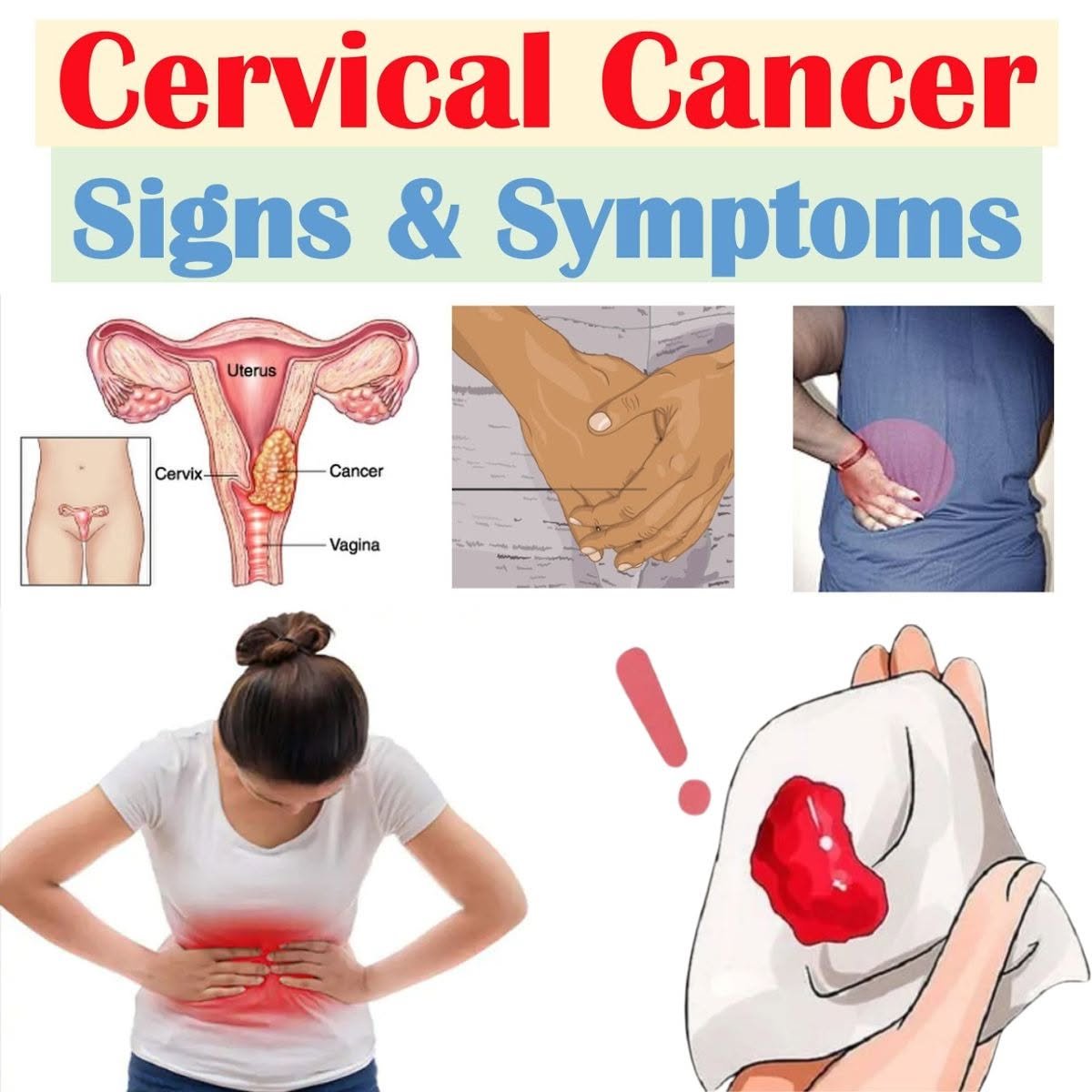
Cervical Cancer: Early Signs and Symptoms You Should Never Ignore
Cervical cancer develops in the cells of the cervix, the lower part of the uterus that connects to the vagina. When detected early, cervical cancer is often highly treatable, which is why recognizing potential warning signs and keeping up with regular screenings is so important.
It’s important to remember that many early cases of cervical cancer may not cause noticeable symptoms. Regular screening tests and HPV vaccination remain the most effective ways to help prevent and detect cervical cancer early.
What Is Cervical Cancer?
Most cases of cervical cancer are linked to persistent infection with the Human Papillomavirus (HPV). While many HPV infections clear on their own, some types can cause changes in cervical cells over time.
Possible Early Signs and Symptoms
1. Unusual Vaginal Bleeding
One of the most common warning signs is bleeding that is different from your normal pattern, including:
- Bleeding between periods
- Bleeding after sexual intercourse
- Bleeding after menopause
- Heavier or longer menstrual periods
2. Unusual Vaginal Discharge
A change in vaginal discharge may sometimes occur, including:
- Persistent discharge
- Watery discharge
- Discharge with an unusual odor
- Discharge mixed with blood
3. Pelvic Pain
Ongoing pelvic discomfort or pain that does not have an obvious cause should be evaluated by a healthcare professional.
4. Pain During Sexual Intercourse
Some women may experience discomfort or pain during intercourse, particularly if cervical changes are present.
5. Lower Back or Leg Pain
As the condition progresses, some individuals may experience persistent lower back pain or discomfort that extends into the legs.
6. Fatigue
Unexplained tiredness or low energy levels can occur with many health conditions, including cancer.
7. Changes in Urination or Bowel Habits
Advanced disease may sometimes affect nearby organs, leading to:
- Pain during urination
- Increased urinary frequency
- Blood in the urine
- Changes in bowel habits
Risk Factors
Factors that may increase the risk of cervical cancer include:
- Persistent HPV infection
- Smoking
- A weakened immune system
- Lack of regular cervical screening
- Long-term use of certain hormonal contraceptives
- Family history of cervical cancer
How Cervical Cancer Can Be Prevented
HPV Vaccination
The HPV Vaccine helps protect against the HPV types most commonly associated with cervical cancer.
Regular Screening
Routine cervical screening tests can detect abnormal cell changes before they become cancerous.
Healthy Lifestyle Habits
- Avoid smoking
- Practice safer sex
- Attend recommended health screenings
- Maintain regular healthcare visits
When to See a Doctor
Contact a healthcare professional if you experience:
- Unusual vaginal bleeding
- Persistent pelvic pain
- Abnormal vaginal discharge
- Pain during intercourse
- Any symptoms that concern you
These symptoms do not always mean cancer is present, but they should be evaluated promptly.
Final Thoughts
Cervical cancer is one of the most preventable and treatable cancers when detected early. Paying attention to unusual symptoms, staying up to date with screenings, and receiving HPV vaccination when appropriate can help protect your long-term health.
If you notice any persistent or unusual changes, seek medical advice rather than waiting for symptoms to worsen.
Leave a Reply