
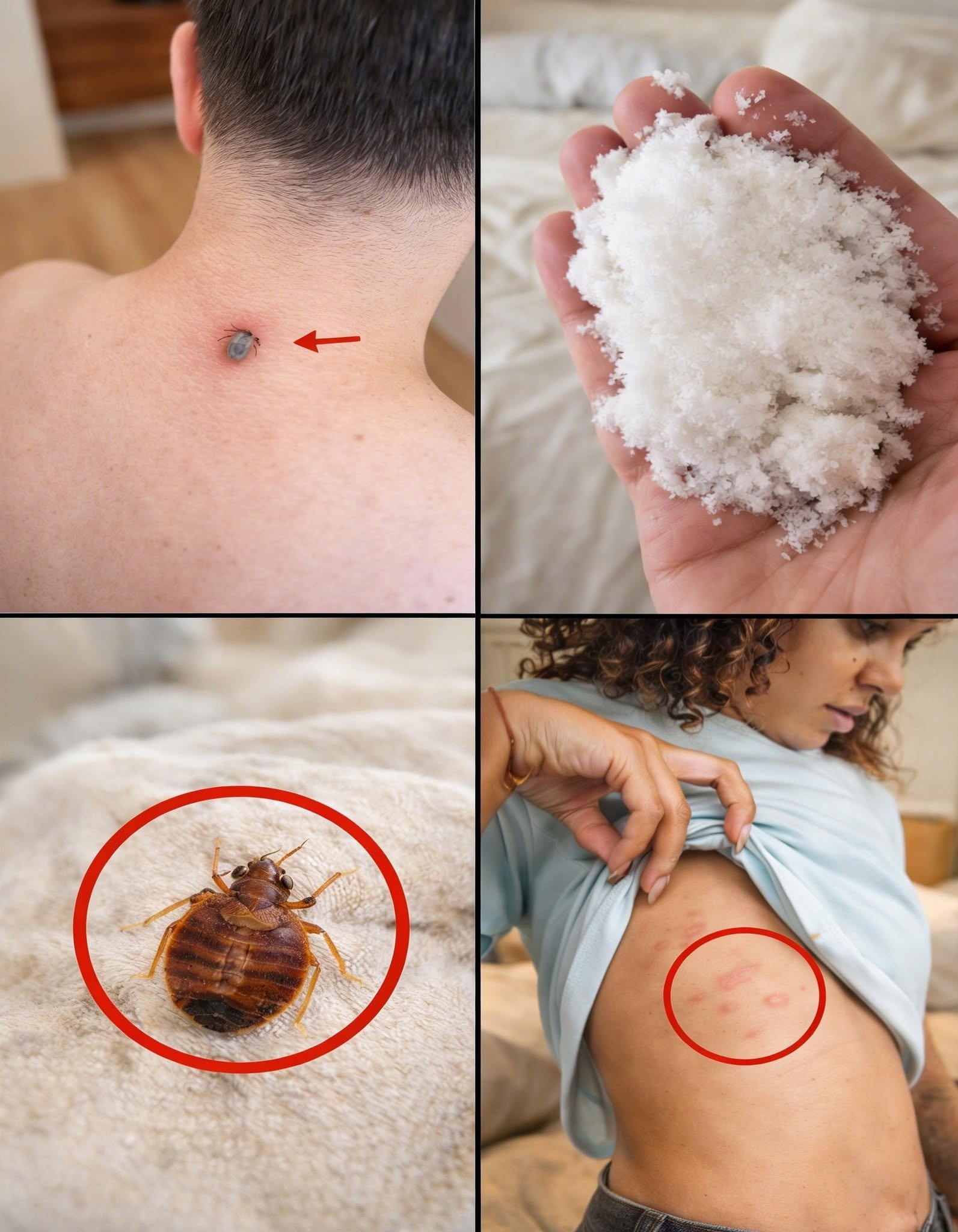
Bed bugs in your garden? It sounds alarming—especially when you spot those tiny, reddish-brown insects crawling on outdoor furniture, patio cushions, or even near your plants after a relaxing evening outside. The frustration builds quickly: itchy bites appear, you worry about them hitchhiking indoors, and viral tips promise they’ll vanish in minutes with a simple trick like boiling water or a strong spray. But these quick fixes often leave you more stressed, as the problem seems to linger or return.
The discomfort doesn’t stop there—the thought of these resilient pests potentially spreading from your outdoor space to your home, disrupting sleep and peace of mind, is enough to make anyone uneasy. Yet, understanding the reality can bring real relief.
Here’s the surprising truth: True bed bug infestations rarely establish in gardens, and those “instant disappearance” methods? They rarely deliver as promised. Stick with me—by the end, you’ll know exactly what works for handling outdoor sightings safely and effectively, plus how to protect your space long-term.
Why Bed Bugs Might Show Up in Your Garden (And Why It’s Usually Not a Full Infestation)
Bed bugs (Cimex lectularius) are primarily indoor pests that prefer warm, sheltered spots close to human hosts for blood meals. Research from entomology experts and pest control sources shows they thrive in homes, not outdoor environments.
They don’t naturally colonize gardens, lawns, or plants. Grass and open soil are hostile—too exposed, too dry or wet, and lacking consistent hosts. Outdoor appearances are almost always “transients”: stragglers from an indoor infestation, hitchhikers on clothing, second-hand furniture, or items moved from infested areas.
Common outdoor hiding spots include:
- Seams and crevices in patio furniture or cushions
- Cracks in wooden decks, pergolas, or fences
- Stored items like unused planters or pet beds
Studies indicate bed bugs can survive short periods outdoors but seek indoors quickly for survival. If you see a few in the garden, it’s often a sign to check your home—early action prevents bigger issues.
But that’s not all…
Busting the Myth: Will They Really Disappear in Minutes?
Viral hacks claim pouring boiling water, spraying undiluted vinegar, or scattering powders makes bed bugs “disappear in minutes.” These gain traction because they can kill on direct contact—but the reality is far more nuanced.
- Boiling water (>212°F) scalds and kills exposed bugs instantly, as heat above 118-120°F disrupts their systems (supported by pest management research).
- Vinegar sprays (especially undiluted white vinegar) irritate and may kill on contact by disrupting their exoskeleton or respiration.
However, these methods fall short for real results:
- They only affect visible bugs—eggs, nymphs, and hidden ones survive.
- Outdoor settings make thorough application impossible; bugs scatter into cracks.
- Risks include burning plants, damaging surfaces, or uneven results.
No quick fix eliminates them entirely in minutes. The “disappearance” is often temporary or illusory. Here’s the part many miss…
Proven Ways to Handle Outdoor Bed Bug Sightings
Focus on practical, safe steps for transients rather than myths. These draw from integrated pest management (IPM) approaches recommended by experts.
Immediate Actions for Visible Bugs Outdoors:
- Spot-treat carefully — For hard surfaces (not plants), pour boiling water directly on visible bugs to kill on contact. Avoid foliage to prevent damage.
- Use a vinegar spray — Mix undiluted white vinegar in a spray bottle; apply to affected furniture seams or cushions. It provides quick knockdown but test on a small area first.
- Vacuum or sweep — Physically remove bugs and dispose of contents in a sealed bag outdoors.
- Isolate items — Move cushions or furniture to a sunny, hot spot (if possible) or seal in plastic bags for monitoring.
Long-Term Prevention Strategies:
- Reduce hiding spots: Keep outdoor furniture clean, elevated, and clutter-free.
- Inspect thoroughly: Check second-hand items before bringing them home.
- Seal entry points: Caulk cracks in decks or walls near the house.
- Maintain hygiene: Wash removable covers in hot water (>120°F) and dry on high heat.
Here’s a quick comparison of common approaches:
- Boiling water: Instant kill on contact | High for direct hits | Hard surfaces only | Risk of burns/scalding
- Vinegar spray: Quick knockdown | Moderate | Plant-safe if diluted | May need reapplication
- Vacuuming: Immediate removal | High | Non-chemical | Excellent for cleanup
- Professional help: Thorough elimination | Highest | If recurring | Recommended for persistence
Actionable Tips: Your Step-by-Step Outdoor Bed Bug Response Plan
Follow these steps the next time you spot suspicious bugs outdoors:
- Stay calm and inspect closely—use a flashlight to confirm if they match bed bug descriptions (flat, oval, apple-seed size, reddish-brown).
- Isolate the area—avoid spreading by not moving items indoors immediately.
- Apply a direct-contact method like boiling water (on safe surfaces) or vinegar spray to visible bugs.
- Physically remove remnants with vacuum or brush, sealing waste securely.
- Monitor for days—check nightly with a flashlight.
- Address potential indoor sources—inspect bedrooms and furniture.
- If sightings continue, consult a pest professional for inspection.
These steps empower you to act fast without false promises.
Wrapping It Up: Take Control Without the Hype
Bed bugs in the garden are unsettling, but they’re rarely a true outdoor infestation. Most cases are transients that quick, targeted actions can manage effectively. Skip the “miracle in minutes” myths—focus on inspection, direct contact methods, and prevention to reclaim your outdoor space peacefully.
By understanding their behavior and acting early, you protect your home and family without unnecessary stress.
FAQ
Can bed bugs actually live and breed in a garden or on plants?
No—bed bugs prefer indoor environments near hosts. Outdoor sightings are usually temporary stragglers, not established colonies in lawns or vegetation.
What natural options help repel or kill bed bugs outdoors without harsh chemicals?
Direct-contact approaches like hot water (where safe) or vinegar sprays work on visible bugs. Heat from sunlight on sealed items or thorough cleaning also helps reduce numbers.
How do I know if outdoor bed bugs will come inside my home?
If they’re near entry points like doors or windows, or if you’ve brought in potentially infested items, they may migrate indoors seeking hosts. Regular inspections and sealing gaps minimize this risk.
Disclaimer: This article is for informational pu
Leave a Reply