
What Are Those White Stones in the Mouth That Cause Bad Breath?
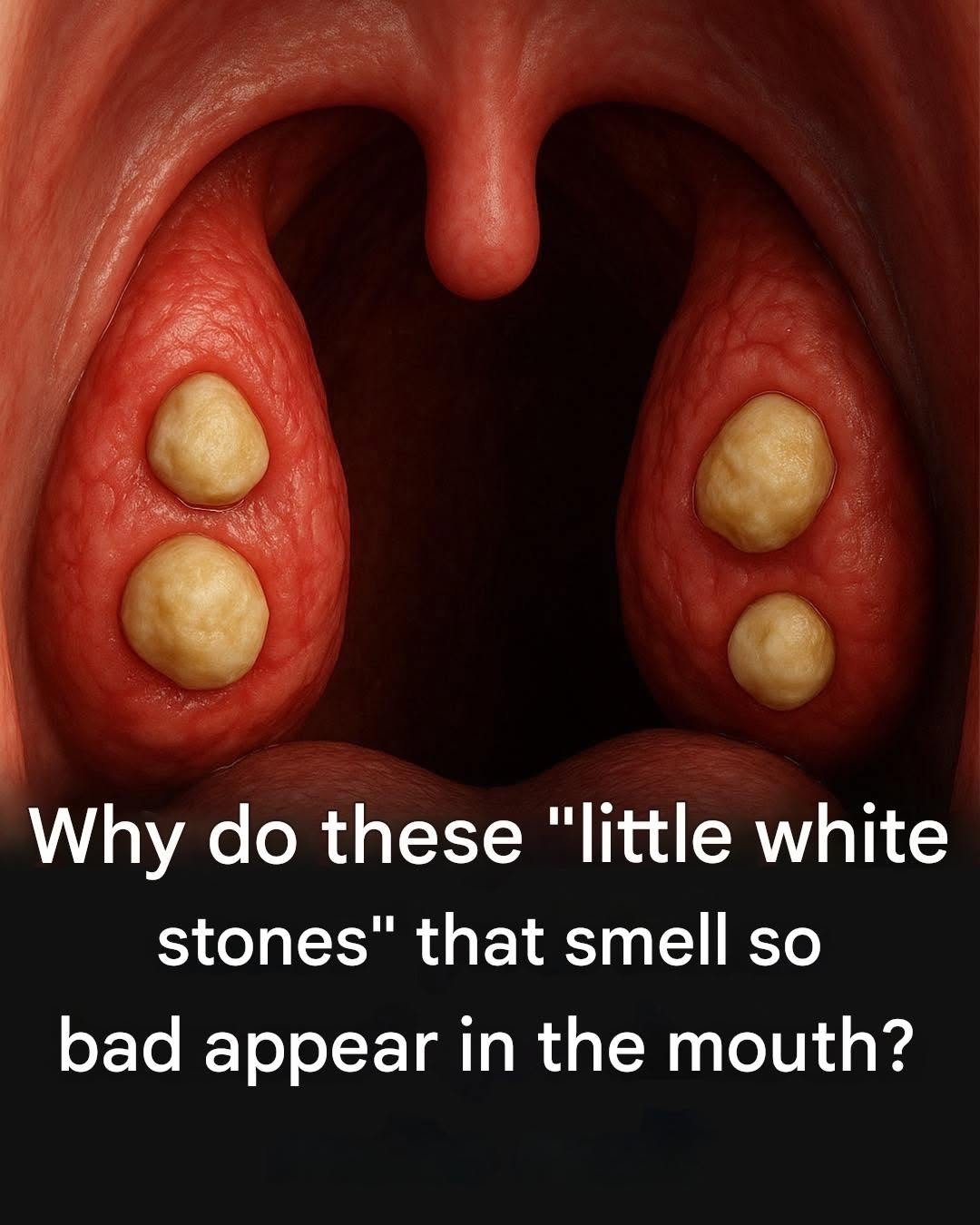
Many people occasionally cough up small white or yellowish lumps that have a strong, unpleasant smell. These are called tonsil stones (tonsilloliths).
Although usually harmless, tonsil stones can cause bad breath and throat discomfort if they occur frequently.
Step 1: Understand What Tonsil Stones Are
Tonsil stones are small, hard deposits that form in the tonsils.
They are made from:
- Food particles
- Dead cells
- Mucus
- Bacteria
These materials become trapped in small pockets (crypts) within the tonsils. Over time, minerals such as calcium from saliva harden the debris into small stones.
The unpleasant odor comes from bacteria breaking down the trapped material.
Step 2: Recognize the Symptoms
Many people have tonsil stones without realizing it.
Common symptoms include:
- Persistent bad breath
- White or yellow spots on the tonsils
- Feeling that something is stuck in the throat
- Mild difficulty swallowing
- Frequent throat irritation
- Dry cough
- Occasional ear discomfort
Some people naturally cough out the stones without noticing.
Step 3: Learn Why Tonsil Stones Form
Several factors increase the risk of developing tonsil stones.
Common Causes
Deep Tonsil Crypts
People with larger or deeper pockets in their tonsils are more likely to develop stones.
Poor Oral Hygiene
Food particles and bacteria accumulate more easily when oral hygiene is inadequate.
Recurrent Tonsillitis
Frequent infections can enlarge tonsil crypts and increase debris buildup.
Dry Mouth
Reduced saliva production allows bacteria and debris to remain in the mouth longer.
Smoking
Smoking can contribute to bacterial growth and throat irritation.
Mouth Breathing
Breathing through the mouth can dry out the throat and encourage stone formation.
Certain Foods
Sticky foods and excessive dairy products may increase residue buildup in some individuals.
Step 4: Safe Ways to Remove Tonsil Stones
Option 1: Gargle with Warm Salt Water
- Mix ½ teaspoon of salt in a glass of warm water.
- Gargle for 30 seconds.
- Repeat several times daily.
This may loosen stones and reduce inflammation.
Option 2: Use an Oral Irrigator
A low-pressure water flosser can gently rinse debris from the tonsils.
Always use the lowest pressure setting to avoid injury.
Option 3: Eat Crunchy Foods
Foods such as:
- Apples
- Carrots
- Toast
may help dislodge small stones naturally.
Option 4: Professional Removal
If stones are large, painful, or keep returning, consult an ear, nose, and throat specialist (ENT doctor) for safe removal.
Important Warning
Never use:
- Sharp objects
- Pins
- Tweezers
- Toothpicks
to remove tonsil stones. This can damage the tonsils and cause infection.
Step 5: Prevent Tonsil Stones
Good oral hygiene can help reduce the chance of future stones.
Daily Prevention Tips
✅ Brush your teeth after meals
✅ Brush your tongue daily
✅ Floss every day
✅ Use an antibacterial mouthwash
✅ Drink plenty of water
✅ Avoid smoking
✅ Treat chronic sinus or throat problems
✅ Maintain regular dental checkups
Step 6: Know When to See a Doctor
Seek medical advice if:
- Tonsil stones are very large
- They occur frequently
- You have severe bad breath that does not improve
- You experience pain or difficulty swallowing
- You develop repeated tonsil infections
A healthcare professional can recommend appropriate treatment options.
Final Thoughts
Tonsil stones are common and usually harmless. They form when food particles, bacteria, and dead cells become trapped in the tonsils and harden over time.
While they often cause bad breath and throat discomfort, good oral hygiene, proper hydration, and regular throat care can help prevent them. If they become persistent or troublesome, professional evaluation may be necessary.
Important Note
This article is for informational purposes only and should not replace professional medical advice. Consult a healthcare professional if you have persistent throat symptoms or concerns about your oral health.
Leave a Reply