
Natural Ways Men Over 50 Can Support Prostate Health and Daily Comfort
As men age, especially after 50, many begin to notice changes in their urinary habits. These may include frequent urination, waking up multiple times during the night, a weak urine stream, or a feeling that the bladder isn’t completely empty.
These changes are often related to the prostate gland, which naturally enlarges with age. While this is common, there are several lifestyle habits that may help support prostate health and improve daily comfort.
What Is the Prostate?
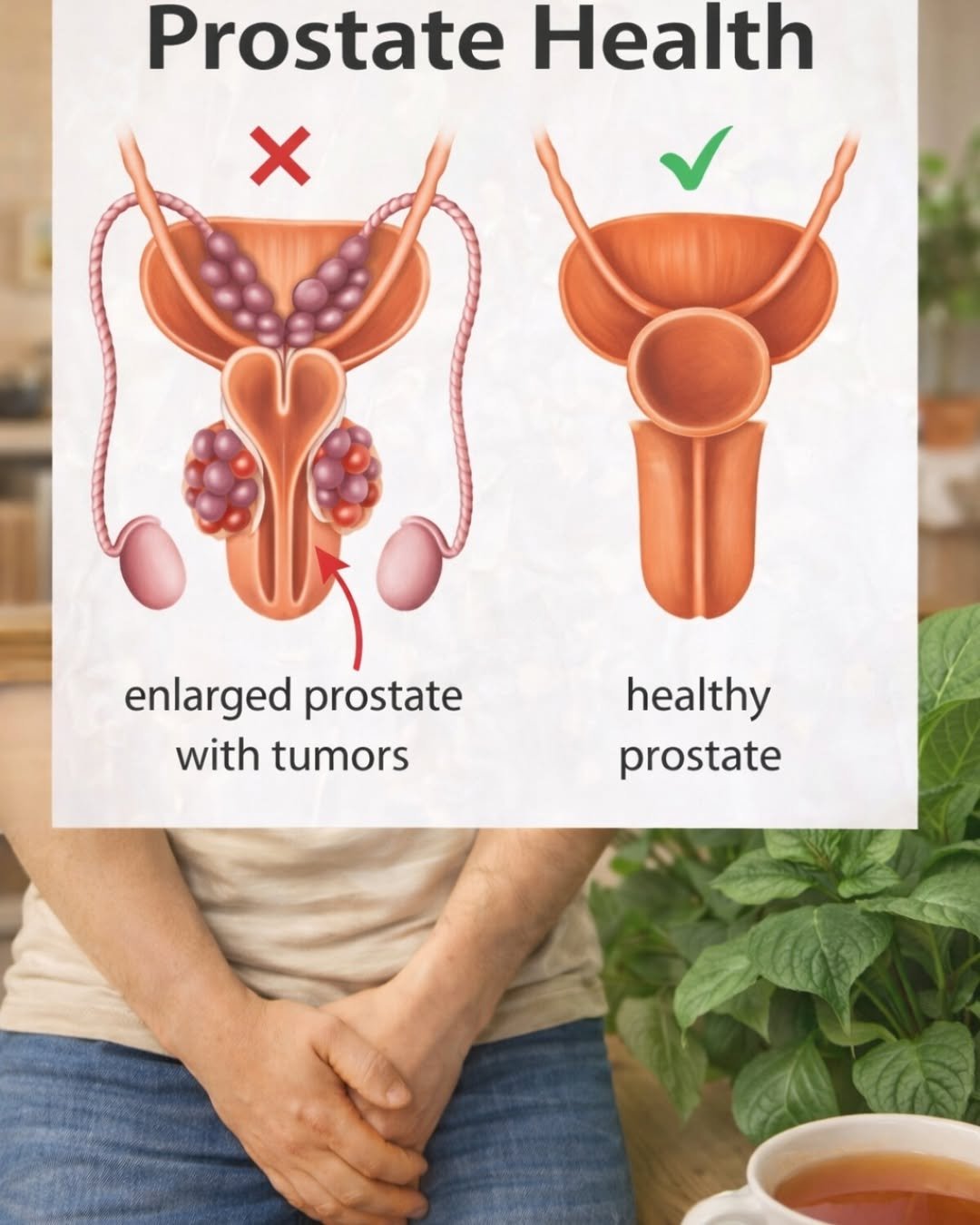
The prostate is a small gland located below the bladder. It helps produce fluid that nourishes and transports sperm.
As men get older, the prostate may gradually enlarge. This condition is called benign prostatic hyperplasia (BPH) and is very common.
Common Symptoms of an Enlarged Prostate
- Frequent urination
- Waking up at night to urinate
- Difficulty starting urination
- Weak urine flow
- Feeling that the bladder is not completely empty
- Urgency to urinate
Step 1: Stay Physically Active
Regular exercise helps improve circulation, maintain a healthy weight, and support urinary health.
Good Activities Include:
- Walking
- Swimming
- Cycling
- Light strength training
Goal:
Aim for at least 30 minutes of moderate exercise most days of the week.
Step 2: Maintain a Healthy Weight
Excess body weight, especially around the abdomen, may increase pressure on the bladder and worsen urinary symptoms.
Tips:
- Eat balanced meals
- Reduce processed foods
- Control portion sizes
- Stay active daily
Step 3: Hydrate Wisely
Drinking enough water is important, but timing matters.
Recommended:
✅ Drink water regularly throughout the day.
Avoid:
❌ Large amounts of fluids in the evening.
This may help reduce nighttime bathroom trips.
Step 4: Limit Caffeine and Alcohol
Both caffeine and alcohol can irritate the bladder and increase urinary urgency.
Consider Reducing:
- Coffee
- Energy drinks
- Soda
- Beer
- Wine
- Spirits
Many men find improvement after reducing these beverages.
Step 5: Practice Pelvic Floor Exercises
Pelvic floor exercises (Kegels) help strengthen muscles that support bladder control.
How to Do Them:
- Tighten the muscles used to stop urination.
- Hold for 5 seconds.
- Relax for 5 seconds.
- Repeat 10–15 times.
- Perform 2–3 sets daily.
Step 6: Eat Foods That Support Prostate Health
Certain foods contain nutrients linked to better prostate health.
Recommended Foods
Tomatoes
Rich in lycopene, an antioxidant associated with prostate support.
Cruciferous Vegetables
- Broccoli
- Cauliflower
- Brussels sprouts
- Cabbage
Pumpkin Seeds
Provide zinc, an important mineral for prostate function.
Green Tea
Contains beneficial antioxidants called catechins.
Berries
Rich in antioxidants that help fight oxidative stress.
Fatty Fish
Examples:
- Salmon
- Sardines
- Mackerel
Contain omega-3 fatty acids that support overall health.
Nuts
Especially Brazil nuts, which provide selenium.
Step 7: Consider Nettle Leaf Tea
What Is Stinging Nettle?
Stinging nettle (Urtica dioica) is a traditional herb that has been used for centuries to support urinary comfort and prostate health.
Some research suggests it may help reduce urinary symptoms associated with age-related prostate enlargement.
How to Make Nettle Tea
Ingredients:
- 1–2 teaspoons dried nettle leaves
- 1 cup hot water
Instructions:
- Place dried nettle leaves in a cup.
- Pour hot (not boiling) water over them.
- Cover and steep for 10–15 minutes.
- Strain the tea.
- Drink 1–3 cups daily.
Important:
Consult your healthcare provider before using herbal remedies if you take medications or have medical conditions.
Step 8: Manage Stress
Stress can contribute to muscle tension and may worsen urinary discomfort.
Helpful Stress-Relief Activities:
- Deep breathing
- Meditation
- Yoga
- Walking outdoors
- Relaxation exercises
Sample Daily Routine
Morning
- Light exercise
- Healthy breakfast with tomatoes or berries
Midday
- Drink water regularly
- Snack on pumpkin seeds
Afternoon
- Cup of nettle tea
Evening
- Light dinner
- Pelvic floor exercises
Night
- Reduce fluid intake a few hours before bed
Final Thoughts
Supporting prostate health after 50 often comes down to consistent healthy habits:
✅ Exercise regularly
✅ Maintain a healthy weight
✅ Eat nutrient-rich foods
✅ Stay hydrated wisely
✅ Limit caffeine and alcohol
✅ Practice pelvic floor exercises
✅ Manage stress
✅ Consider traditional options such as nettle tea
While no single food or herb can cure prostate problems, these habits may help improve comfort, support urinary function, and promote overall well-being.
Important Disclaimer
This article is for educational purposes only and is not medical advice. If you experience persistent urinary symptoms, pain, blood in the urine, or significant changes in urination, consult a qualified healthcare professional for evaluation and treatment.
Leave a Reply