
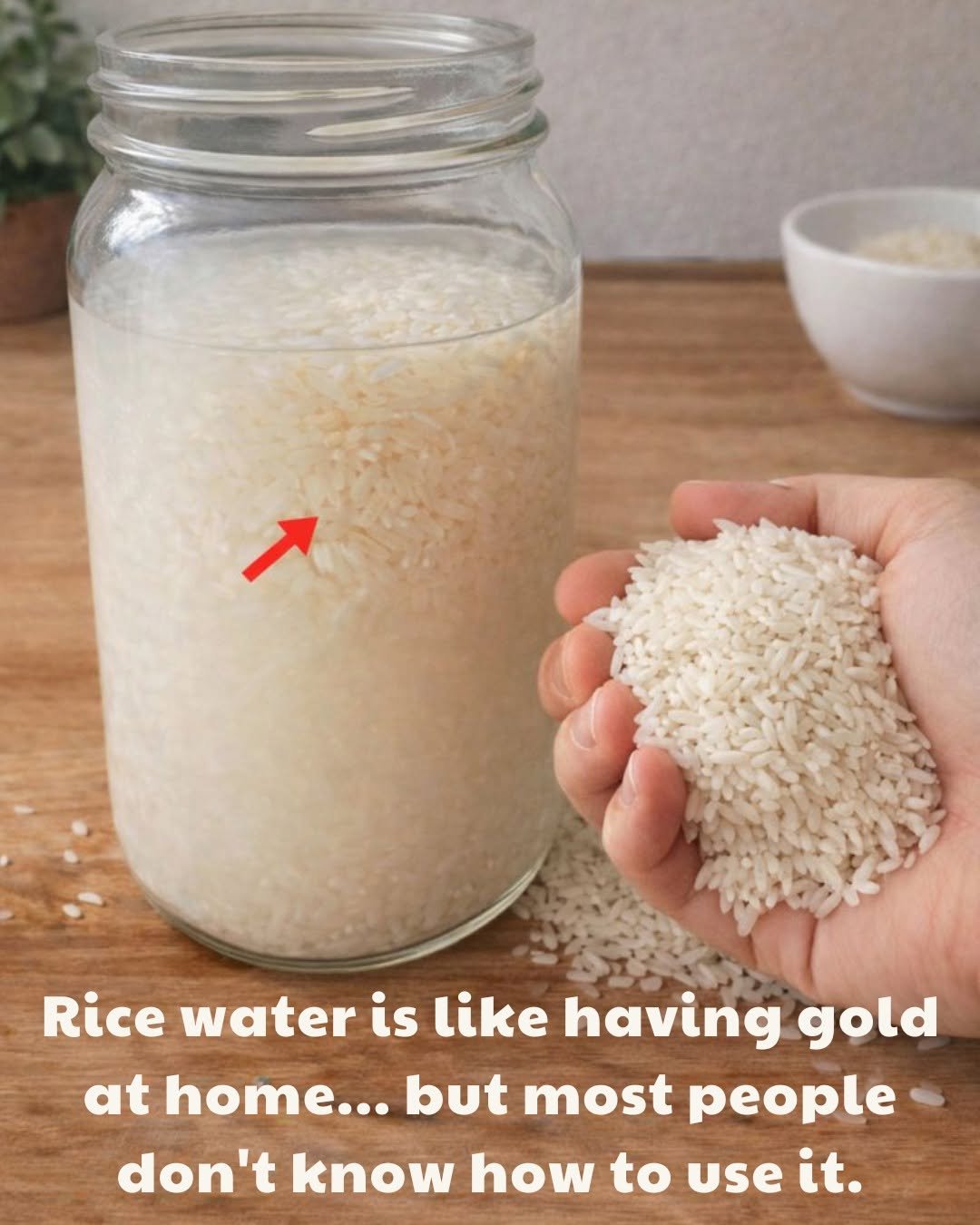
Every time you rinse rice before cooking, that cloudy white water usually disappears down the drain without a second glance. It’s a simple habit most of us have followed for years—tossing away what could be a gentle, cost-free addition to your beauty routine. Meanwhile, many people invest heavily in pricey serums, masks, and treatments, searching for that natural glow and stronger strands, often overlooking the humble kitchen staple right in front of them.
The truth is, this starchy rinse has been quietly powering beauty rituals for centuries in Asian cultures, and emerging research hints at why it might deserve a spot in your daily care. But here’s the part most quick tutorials skip: a simple fermentation step can unlock even more potential—something backed by both longstanding tradition and modern insights. Keep reading to discover how to prepare and use it safely at home.
Why Rice Water Has Remained a Timeless Beauty Secret
For generations, women in Japan, China, Korea, and beyond have relied on rice water—the milky liquid released when rice is soaked or rinsed—for maintaining healthy-looking skin and resilient hair. This practice isn’t just folklore; it’s rooted in everyday resourcefulness.
What draws people back to it again and again? It’s incredibly accessible, requires no special tools, and comes straight from ingredients you likely already have. But the real intrigue lies in the natural compounds that leach out from the grains during soaking.
The Science Behind Rice Water’s Potential Benefits
When rice meets water, it releases a mix of beneficial elements like amino acids (building blocks for skin and hair structure), vitamins (including B and E for protection against daily stressors), and antioxidants such as ferulic acid.
Studies, including those published in journals like the International Journal of Cosmetic Science, have explored how certain components—like inositol—may help reduce friction on hair strands, potentially supporting elasticity and minimizing breakage. Other research on rice-derived ingredients suggests soothing properties and possible support for skin hydration.
But that’s not all… Traditional fermented versions appear to concentrate these elements further through natural processes, which is why many enthusiasts notice enhanced results.
Key Compounds in Rice Water
Here are some of the standout elements often highlighted in discussions of rice water:
- Inositol – A carbohydrate that may support hair strength and skin flexibility
- Amino acids – Help maintain healthy structure for skin and hair
- Vitamins B, C, and E – Offer protection against environmental stressors
- Ferulic acid & allantoin – Known for their soothing and antioxidant qualities
These naturally occurring compounds contribute to why rice water has earned its reputation as a gentle multitasker.
Using Rice Water as a Gentle Facial Toner
If you’re aiming for balanced, refreshed-looking skin, rice water can serve as a simple, lightweight toner. Many people report it helps remove excess oil and leaves skin feeling calmer.
Traditional use in Korean and Japanese routines dates back centuries, long before modern skincare shelves were filled.
How to Use It:
- Chill your prepared rice water for a refreshing feel.
- Soak a cotton pad and gently swipe over clean skin (morning and night).
- Follow with your regular moisturizer—no need to rinse.
Pro tip: Pour it into a spray bottle and keep it in the fridge for a quick cooling mist on hot days. Many find this small step adds an instant boost to their routine.
Supporting Natural Skin Firmness with Rice Water
Daily life and environmental factors can take a toll on skin’s bounce. The antioxidants in rice water may help address everyday oxidative stress.
A 2018 study on rice water formulations noted improvements in skin hydration over several weeks. This is why some incorporate it into evening rituals for smoother texture with consistent use.
Simple Nighttime Routine:
- Cleanse your face as usual.
- Apply diluted rice water (especially fermented) with clean hands or a pad.
- Let it air-dry for 5–10 minutes.
- Layer your favorite serum or cream.
Results often build gradually—many users notice softer, more even-looking skin after a few weeks.
The Legendary Hair Rinse Inspired by Yao Women
In southern China’s Huangluo village, Yao women are renowned for their extraordinarily long, healthy hair—often reaching several feet. They credit regular fermented rice water rinses for strength and shine.
Research on inositol suggests it may coat strands, helping reduce breakage and improve resilience.
How to Use as a Hair Rinse (1–2 times per week):
- Shampoo your hair normally.
- Pour 1–2 cups of fermented rice water over your hair.
- Gently massage into the scalp for a few minutes.
- Leave on for 10–20 minutes.
- Rinse thoroughly with cool water.
Users frequently describe an immediate boost in shine and a stronger feel over time.
Soothing Irritated Skin with a Relaxing Rice Water Bath
For sensitive or sun-exposed skin, adding rice water to bathwater offers a gentle, calming soak— a practice common in many Asian households.
Easy Method:
- Add 1–2 cups of rice water to warm bathwater.
- Soak for 15–20 minutes.
- Pat dry gently (no need to rinse off).
This simple addition can leave skin feeling more comfortable.
How to Make Rice Water at Home – Two Simple Methods
Method 1: Basic Soaked Rice Water (Ideal for Skin)
- Rinse ½ cup of rice (preferably organic) under water.
- Place in a bowl with 2–3 cups filtered water.
- Stir occasionally and let soak for 30 minutes.
- Strain into a clean jar.
Method 2: Fermented Rice Water (Popular for Hair)
- Prepare as above.
- Transfer liquid to a glass jar.
- Leave at room temperature for 24–48 hours (or longer in warm climates for intensified effects—watch the scent).
- Refrigerate after fermentation and dilute before use.
Quick Comparison Table
| Type | Best For | Strength Level | Fridge Life |
|---|---|---|---|
| Non-fermented | Face & sensitive skin | Gentle | 4–5 days |
| Fermented | Hair & firmness support | Stronger | Up to 7 days |
Little-known trick: In warmer weather, extending fermentation slightly can enhance benefits without overpowering odor—start small and observe.
Safety & Storage Tips
- Always start with small amounts to see how your skin or hair responds.
- Perform a patch test: Apply a bit to your inner arm and wait 24 hours.
- Opt for organic rice when possible.
- Store in the refrigerator and discard if it develops a bad smell or shows signs of mold.
- Dilute fermented versions to avoid over-application.
Ready to Give Rice Water a Try?
Next time you’re prepping rice, pause before draining that cloudy water. In minutes, you can turn it into a toner, rinse, or soothing soak—drawing on centuries of tradition with a touch of modern understanding.
This small kitchen habit could become your new favorite step in self-care.
FAQ
Is rice water safe for all skin and hair types?
Rice water is generally gentle, but results vary. Patch test first, especially if you have sensitive skin, and dilute as needed.
How often should I use rice water?
Start with 2–3 times per week for hair and daily (diluted) for skin. Adjust based on how your body responds—overuse may lead to dryness.
What’s the difference between regular and fermented rice water?
Fermented versions may offer more concentrated benefits due to natural processes, making them popular for hair strength, while regular soaked water suits gentler skin applications.
Disclaimer: The information in this article is for educational purposes only and is based on traditional use and available research. Rice water is not intended to diagnose, treat, cure, or prevent any condition. Consult a dermatologist or healthcare professional before adding new ingredients to your routine, especially if you have skin concerns or sensitivities. Individual results may vary.
Leave a Reply