
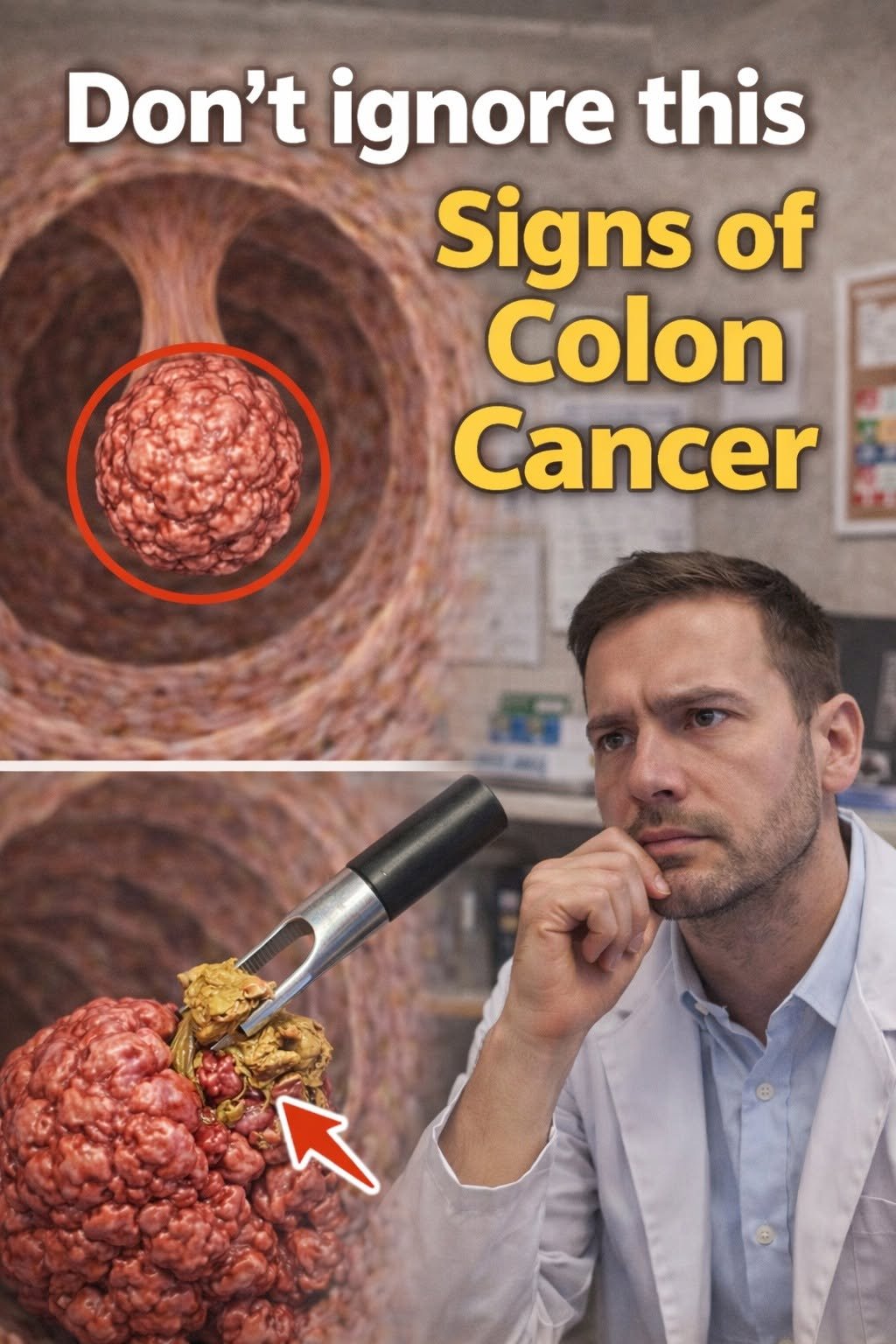
Many people brush off small shifts in their bathroom routine as nothing more than a reaction to last night’s dinner or a stressful day at work. Yet those subtle changes in stool can sometimes be your body’s quiet way of asking for a closer look at your digestive wellness. Ignoring them might mean overlooking opportunities to support your colon health before things progress. The good news is that staying informed about what to watch for can give you the confidence to take simple, proactive steps toward feeling your best.
What if understanding these three specific stool changes could help you stay one step ahead and support your overall gut health in ways you hadn’t considered before? Keep reading to discover exactly what experts recommend paying attention to.
Why Paying Attention to Your Stool Matters More Than You Think
Your stool is like a daily report card from your digestive system. When everything is running smoothly, it’s usually medium-brown, soft but formed, and easy to pass. But life happens—diet changes, travel, stress—and sometimes those normal variations turn into patterns that stick around. Health organizations such as the Mayo Clinic point out that while most stool differences are harmless, certain recurring ones are worth noting because they can offer clues about your colon and gut function.
But here’s where it gets interesting: not all changes carry the same weight. Three stand out as especially important for adults to recognize early.
The Three Key Stool Changes Experts Say Deserve Your Attention
Let’s break them down one by one so you can spot them the next time you’re in the bathroom. Remember, these are simply signals—your doctor is the best person to help interpret what they mean for you personally.
1. Blood in or on Your Stool
One of the most noticeable changes is seeing blood. It might show up as bright red streaks on the toilet paper or mixed in with the stool. Sometimes the stool itself looks darker, almost black and tarry, which can happen when blood has traveled farther through the digestive tract.
This change can feel alarming, and rightfully so. It isn’t something most people expect to see regularly. According to reliable health sources, rectal bleeding or blood in the stool is one of the key details healthcare providers encourage people to mention during check-ups. While it can stem from many everyday causes like hemorrhoids or minor irritation, a persistent pattern is worth discussing with a professional.
The surprising part? Catching this early often leads to simple tests that can bring peace of mind or helpful next steps.
2. Pencil-Thin or Narrow Stools
Have you ever noticed your stool suddenly looking much thinner than usual—like the width of a pencil or ribbon? This is another change that can catch people off guard. Normal stools have a comfortable diameter, but when they consistently come out much narrower, it can signal that the passageway inside the colon might be facing some resistance.
Diet, dehydration, or even temporary inflammation can play a role here too. Yet when this shape becomes the new normal for more than a few days or weeks, it’s one of those details that experts say deserves a conversation with your doctor. The Mayo Clinic notes that a sudden shift to pencil-thin stools is something many people overlook until it persists.
But wait—there’s more to this story. Pairing this observation with how often you’re going can paint a clearer picture of what’s happening inside.
3. Persistent Changes in Bowel Habits or Stool Consistency
The third change involves how often you go or what the stool feels like. Maybe you’re suddenly dealing with diarrhea that won’t quit, or the opposite—constipation that lingers for days. Some folks notice their stool alternating between the two, or it might contain more mucus than usual or look like small, hard pellets.
These shifts in frequency and texture can throw off your entire day. Research shared by leading health groups shows that unexplained changes lasting longer than a couple of weeks are worth tracking. They can stem from diet, medications, or other factors, but they can also highlight the need for a professional check-in to keep your colon health on track.
Here’s the part that might surprise you: many people who notice these patterns and act on them report feeling more in control of their wellness.
Other Stool Details That Can Offer Extra Clues
While the three above are the big ones, a few additional observations can round out the picture:
- Unusually dark stools without obvious blood
- A feeling that your bowels haven’t emptied completely
- Increased mucus that wasn’t there before
If any of these stick around, jot them down and mention them at your next appointment. Keeping a simple two-week log of your bathroom habits can make the conversation with your doctor much more productive.
Simple Daily Habits That Support Healthier Stool and Gut Function
The best part about gut health is that small, consistent choices can make a real difference. Here are practical steps you can start today—no fancy equipment required:
- Boost your fiber gradually: Add more fruits, vegetables, whole grains, and beans to your plate. Fiber helps keep things moving comfortably.
- Drink water like it’s your job: Aim for at least eight glasses a day to soften stool and prevent straining.
- Move your body every day: A 20-minute walk after meals can encourage regular bowel activity.
- Limit processed foods and red meat: Many studies suggest these choices support better digestive balance over time.
- Pay attention to stress levels: High stress can directly affect bowel habits, so simple breathing exercises or short breaks can help.
Five Everyday Foods That Can Help Promote Regularity
- Apples and pears (great soluble fiber)
- Plain yogurt with live cultures
- Leafy greens like spinach and kale
- Oats or oatmeal for breakfast
- Lentils and beans in soups or salads
These small swaps add up faster than you might expect.
When Is It Time to Talk to a Doctor?
If any of the three main changes last longer than two weeks, or if they come along with unexplained fatigue, weight changes, or ongoing belly discomfort, it’s wise to schedule a visit. Your healthcare provider can recommend the right tests—often starting with something as straightforward as a stool sample at home.
The earlier you bring it up, the more options you have for staying on top of your health.
Wrapping It Up: Listening to Your Body One Stool Change at a Time
Spotting these three stool changes doesn’t have to be scary—it can actually be empowering. By paying attention and knowing when to seek professional guidance, you’re taking a smart, proactive step toward safer gut health. Combine this awareness with the daily habits above, and you’re giving your digestive system the support it deserves for the long haul.
Your body is talking to you every single day. The question is, are you ready to listen?
Frequently Asked Questions
1. What does completely normal, healthy stool look like?
Healthy stool is typically soft to firm, sausage-shaped, medium to dark brown, and passes easily one to three times a day (or every other day). The Bristol Stool Chart is a helpful reference tool many doctors recommend.
2. Can everyday things like diet or stress really cause these stool changes?
Absolutely. Travel, new medications, spicy foods, or high stress levels often trigger temporary shifts. The key is noticing if the changes stick around longer than one to two weeks without an obvious reason.
3. At what age should most adults start thinking about routine colon health screenings?
Many guidelines suggest beginning regular discussions with your doctor around age 45 for average risk. If you have a family history or other risk factors, your provider may recommend starting sooner—always check what fits your personal situation.
Disclaimer: The information provided in this article is for educational purposes only and is not intended as medical advice. It does not diagnose, treat, or cure any condition. Always consult a qualified healthcare professional about any health concerns or symptoms you experience. Individual results may vary based on personal medical history.

Leave a Reply